
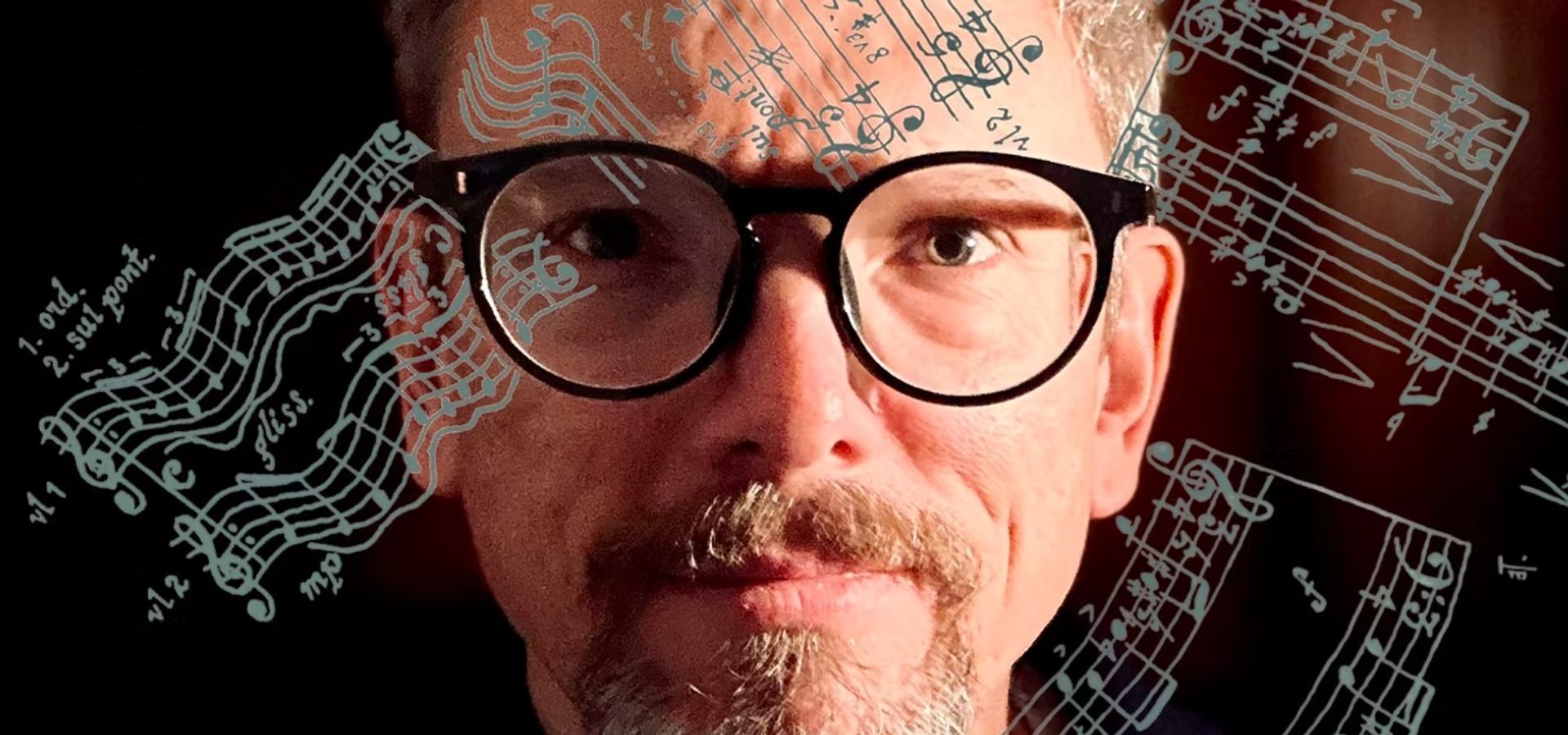
Edward Tops A Life in a Day
Dutch première A Life in a Day
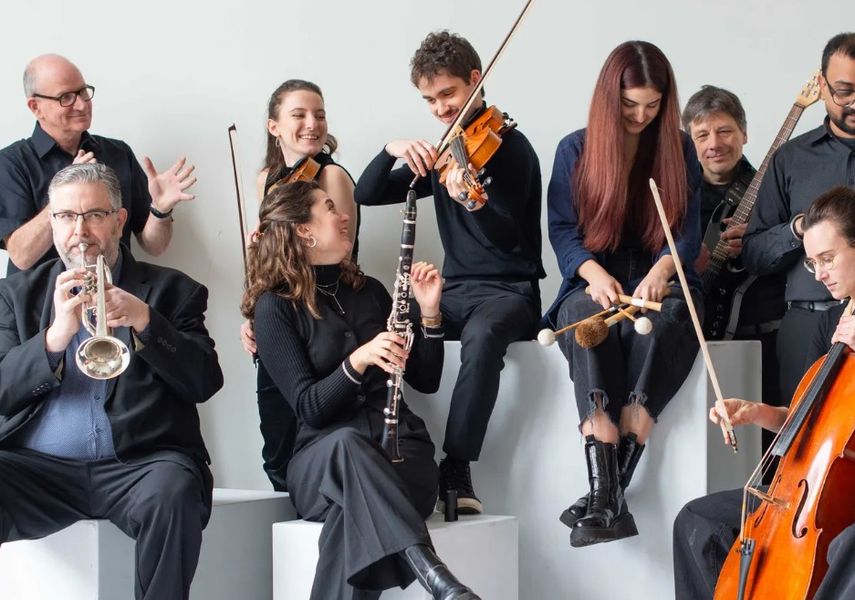
Music makes time tangible, evokes memories and casts a familiar world in a different light. On 14 November, the DoelenEnsemble and Young DoelenEnsemble bring together three works in which past and present meet: A Life in a Day by Edward Top, Visions at Sea by Joey Roukens and Max Richter’s Vivaldi’s The Four Seasons Recomposed. Top’s composition receives its Dutch premiere that evening. A single day – from morning through to night – serves as a reflection of a human life. In this interview, Top talks about the inspiration behind his work, his musical language and his special connection with his Dutch home.
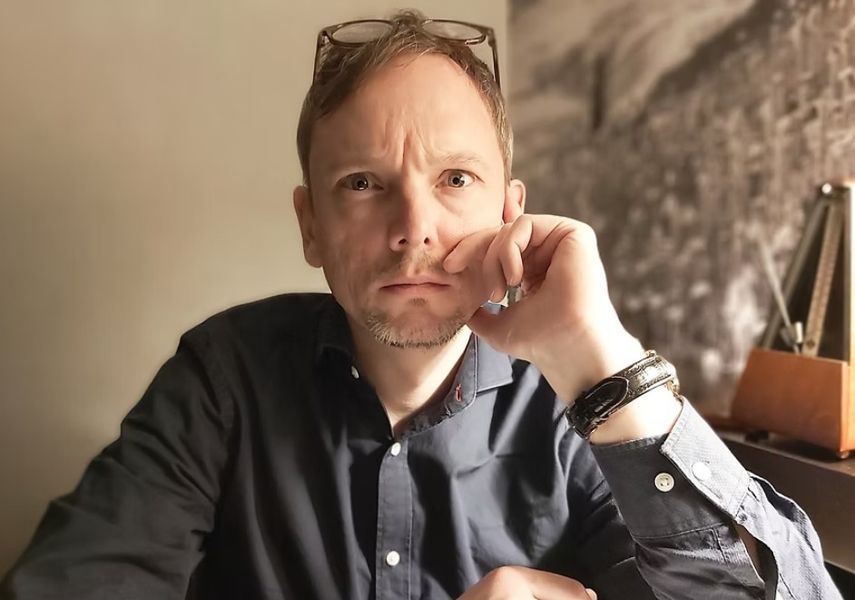
In A Life in a Day, Edward Top takes the listener on a journey through four moments: morning, afternoon, evening and night. They represent not only the passing of a day, but also serve as a metaphor for the different stages of human life. Top drew inspiration for the concept from Vivaldi’s The Four Seasons, a work he has performed many times as a violinist, and from Max Richter’s Recomposed, his reimagining of the piece. “I became fascinated by Max Richter’s version of Recomposed. I wanted to do something similar myself: take a recognisable musical language – the Baroque – with which I have felt such a strong connection as a performer.”
Each of the four movements has its own character. In Morning, the city gradually awakens, before the music gives way to the hustle and bustle of everyday life. Rhythm and changing time signatures play an important role in Afternoon and Evening. Top uses canons to give musical expression to the complexity of daily life. In Night, time slows down and the focus shifts to sound and experimental playing techniques. “Music can slow time down, speed it up or bring it to a standstill. You can even travel back in time, for example by playing a motif backwards or bringing it back later in the piece, like a memory.”
The Unexpected Within the Familiar
The first movement contains clear references to the Baroque, but the music does not always take the expected turn. “What makes it special is that the expectations created by this referencing compositional style are not always fulfilled. That is the element of surprise.” Top himself is particularly moved by a slow passage in Evening. “It is an intensely focused moment of reflection, a deepening of experience, a moment when time stands still.” He compares its immediacy to that of a Baroque aria.
The Rotterdam School and a Sound of His Own
Top feels a strong connection with the Rotterdam School, a musical movement that emerged in the second half of the twentieth century around composers such as Otto Ketting. In the 1990s, he and others sought to further develop its ideas. “In keeping with the Rotterdam School, my music is rooted in a constant awareness of musical history and of how I respond to it in my own music today. This means my style is eclectic, bringing together seemingly incompatible worlds – such as the great symphonic tradition, extreme metal, visual art and Eastern instruments. I lived in East Asia for many years, and that experience has also found its way into my musical style.”
A Connection Between Two Homes
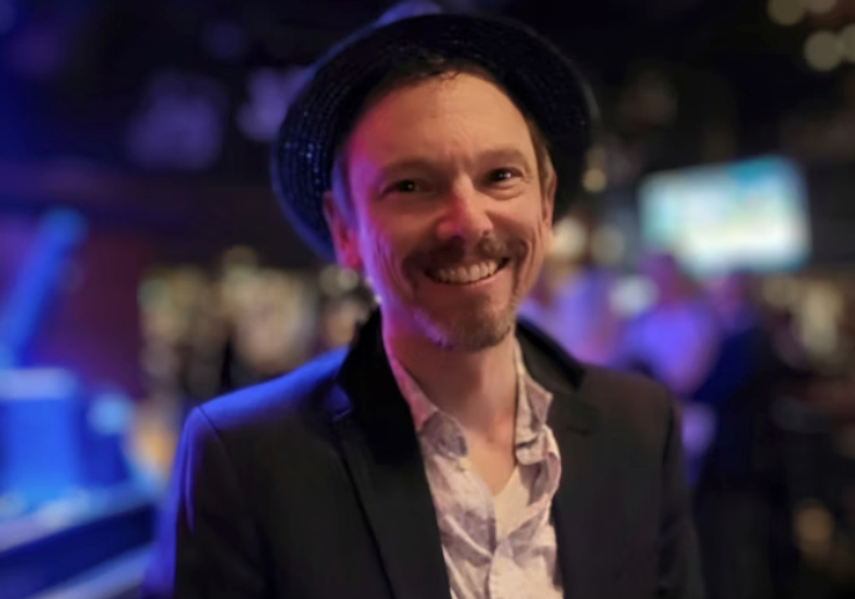
For Top, the Dutch premiere holds special significance. Over the past fifteen years, most performances of his work have taken place in Canada (where he now lives), the United States and Asia. “There is an extra dimension to every performance of your music in your culture of origin. It feels as though that is where it belongs. And the DoelenEnsemble holds a special place in my heart.”
For Top, the Dutch performance represents a connection between his two homes: “It was premiered last year by my Canadian friends and colleagues, and now it will be performed by (and for) my Dutch friends.”
