The name “de Doelen” has been around for centuries
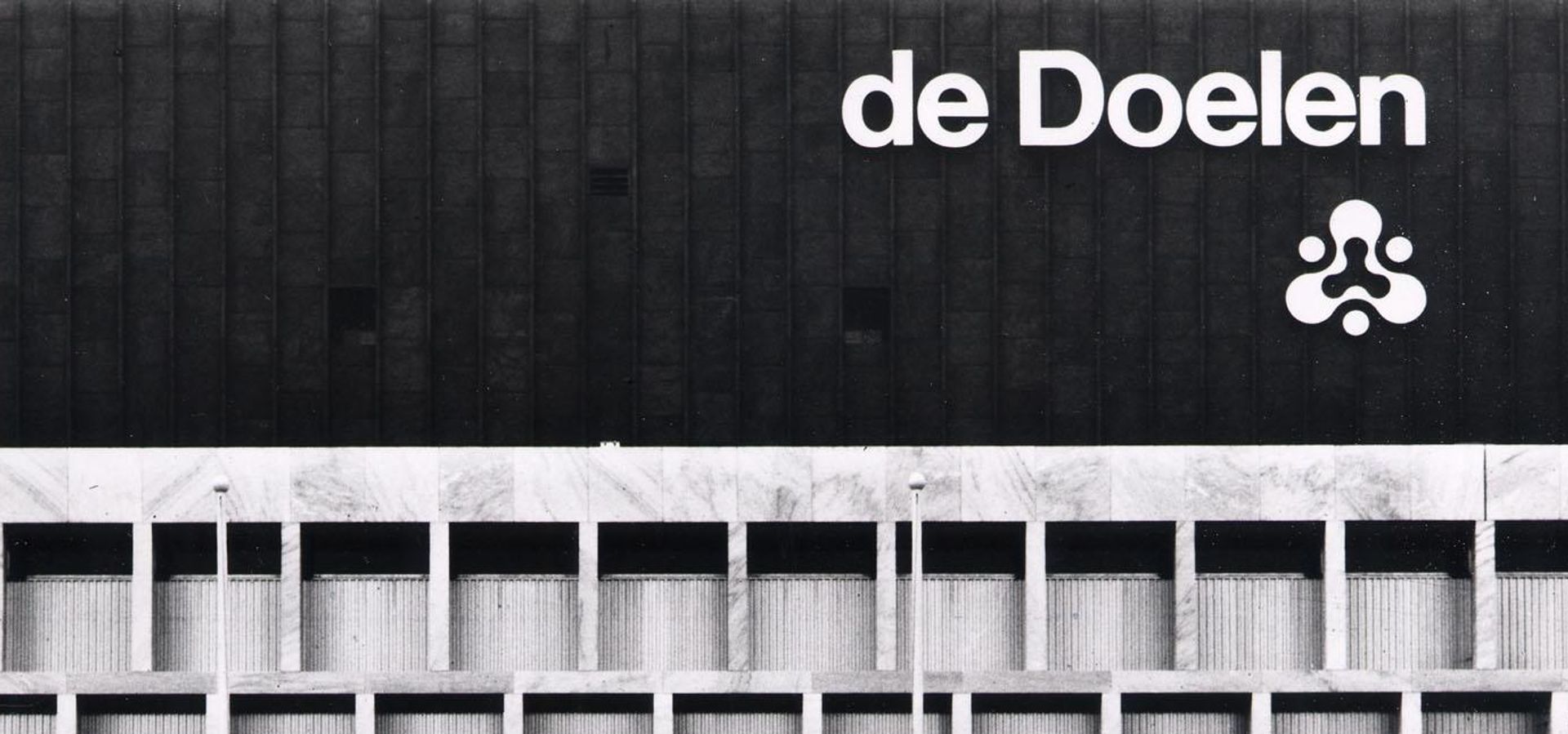
On May 18, 1966, the De Doelen concert hall opened its doors on Schouwburgplein: the crowning achievement of Rotterdam’s reconstruction and the moment when the city regained its musical heart. Sixty years later, we’re not only celebrating our rich history but also looking ahead. As an international hub for music and community, we continue to build a place where talent flourishes, stories come together, and the city finds common ground. Music belongs at the beating heart of Rotterdam, then, now, and in the future.
Where It All Began
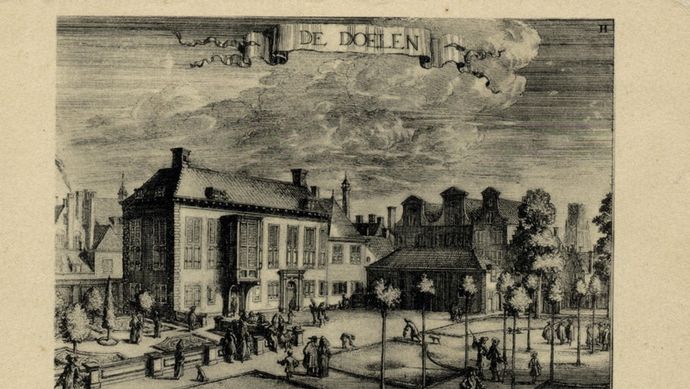
Yet the story of de Doelen begins long before 1966. Behind the name “de Doelen” lies a story that goes back centuries. After Rotterdam was granted city rights, marksmen’s guilds were formed to defend the city and train together. Their home base was the so-called “doele” or “doelen”: these were not only places for training and meetings, but also central gathering spots.
The St. George’s marksmen’s guild met at the Sint-Jorisdoelen near the Delftse Poort, which was first mentioned in 1533.
In the early 17th century, the old St. George’s Doele made way for a new St. George’s Doele, construction of which began in 1622. In addition to the marksmen, other groups also made use of the buildings. Thus, St. George’s Doele grew into a lively gathering place for the city, where music, culture, and socializing began to play an increasingly important role alongside meetings.

Music for the Audience
Starting in 1697, Franciscus Aerts, a choirmaster from Rotterdam, was permitted to organize weekly public concerts in the “doele”. Posters were used to attract audiences. This marked the beginning of an early concert tradition in Rotterdam.
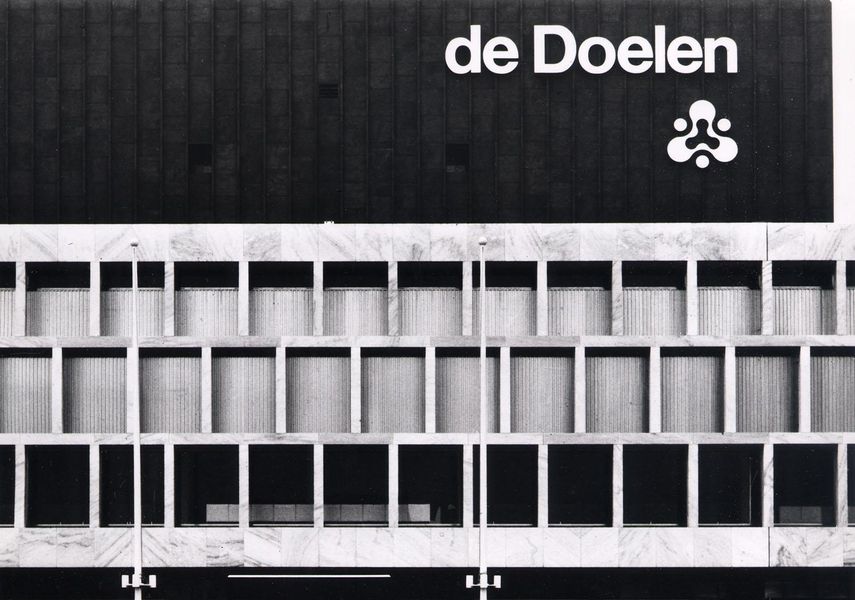
A Home for the future
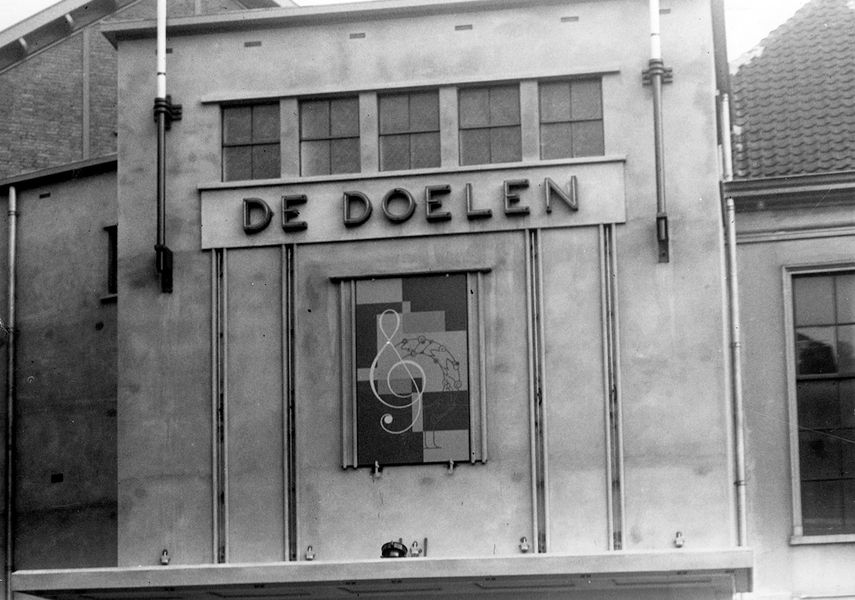
War, demolition, new construction, and reconstruction transformed the places where today’s music still resonates. The name moved along with it through the city.
On May 18, 1966, Queen Juliana opened the doors of De Doelen on Schouwburgplein to visitors as we know it today. The building not only marked the beginning of something new, but also stood in a much longer lineage of Rotterdam’s musical history.
This story is based on a memory or archival document from Doelengeheugen.
In your opinion, what story should De Doelen preserve for the future?
Help us write the next chapter of De Doelen’s story and share your memories, wishes, or ideas with us here.